Products

Intelligent Controllers

Zero Trust at the door and the fence line, on the wiring already installed.
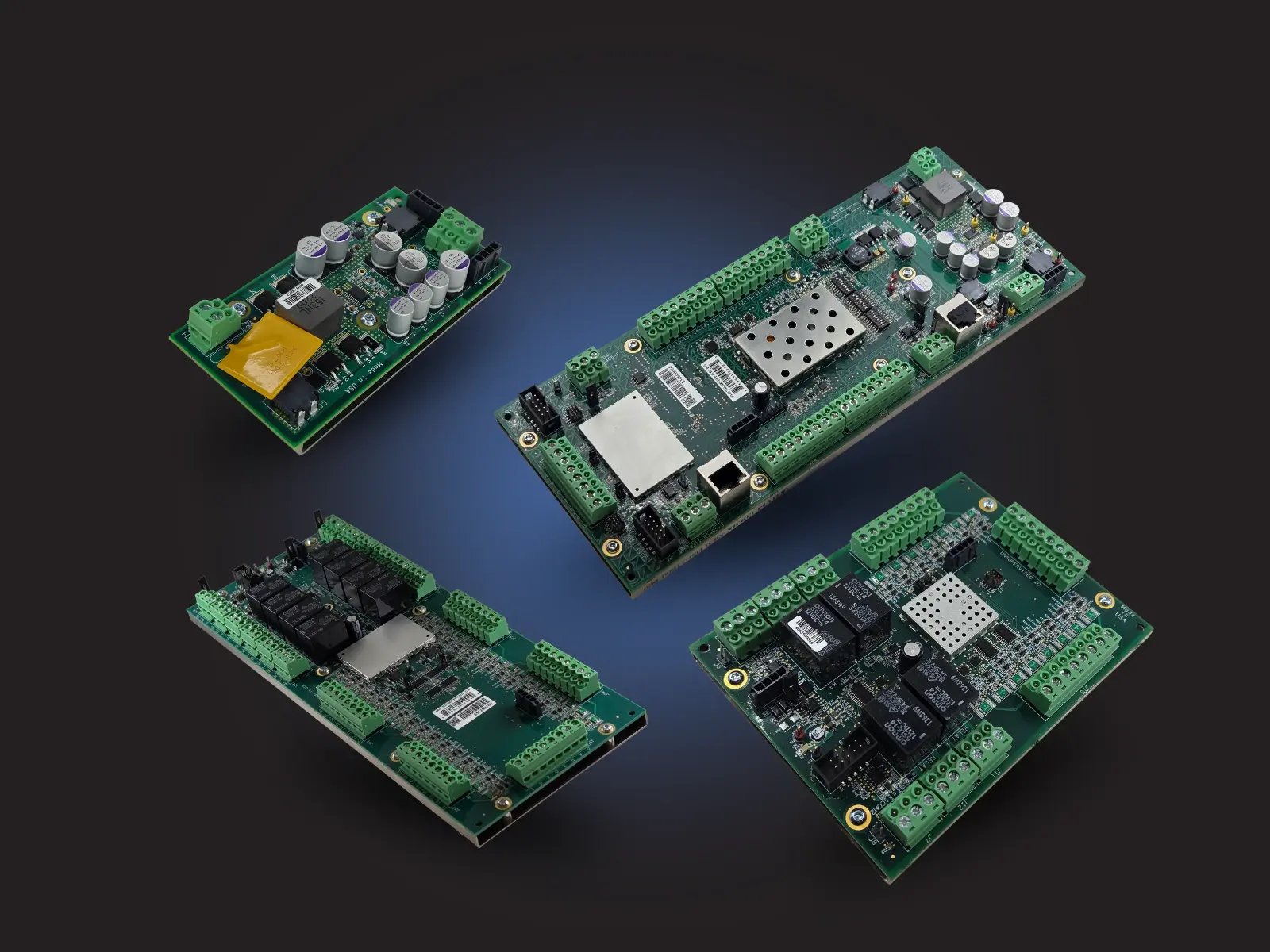
Intelligent Controllers
In this category

Side by side

What each one does at the edge

The gateway, the expansion modules that extend it, and the controller that makes devices trustworthy. Open any product for specifications.

What each one does at the edge
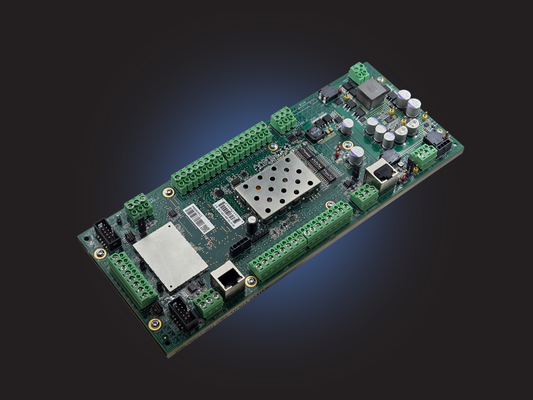
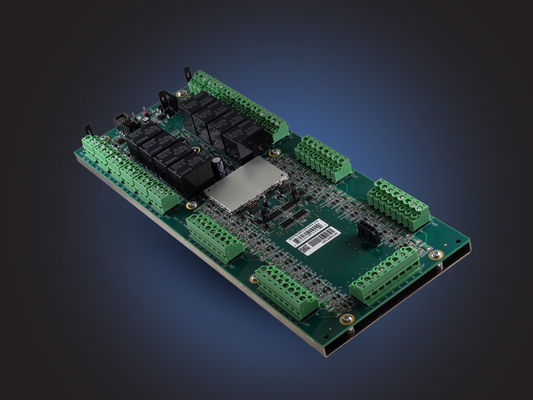
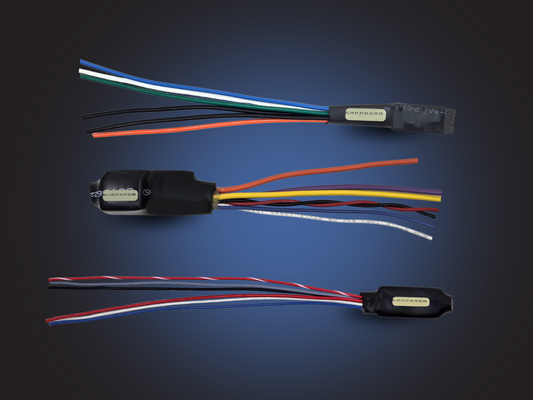
Universal Field Panel™ GatewayUniversal Field Panel™ Expansion ModulesDESI Controller
What it is The brain of every Universal Field PanelInputs, outputs and readers for a panelCryptographic identity for analog devices
What it does Authenticates downstream devices and hosts edge applicationsAdd DESI channels, inputs, relays and reader portsReplaces the end-of-line resistor and authenticates I/O
Where it runs At the core of the panelUnder a gateway, local or remoteInches from the sensor or lock
Form Hardware, DIN rail mountedHardware: PM-4, EM-8 and EM-16 modulesHardware: three variants, inch-scale
Works with Up to 16 Expansion Modules and 64 DESI devicesThe Universal Field Panel Gateway, DESI and OSDP readersUniversal Field Panel, PCU and OEM devices by license

Swipe horizontally to compare all three products

Where it sits

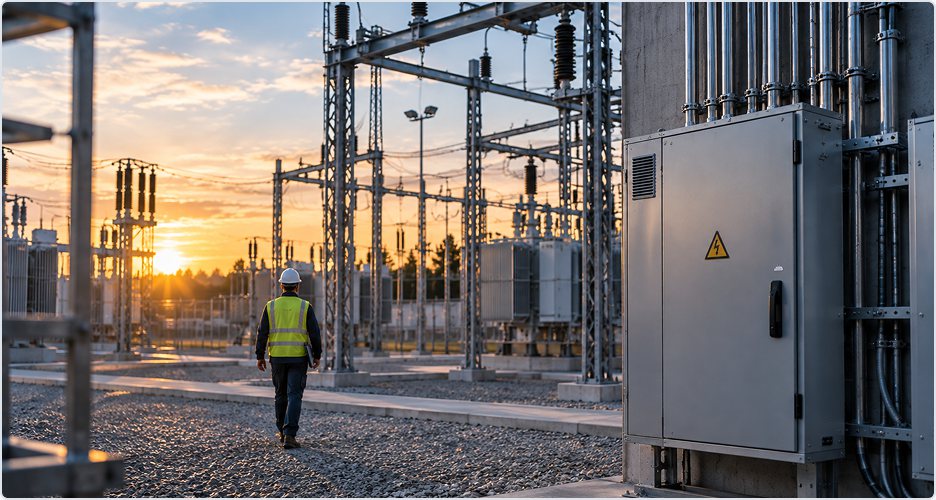
Intelligent Controllers sit in Acquisition and Control, in line at the far edge. They are the enforcement point where every sensor, reader and door is authenticated before its data moves up.

Explore the full architecture
  1. Enterprise Consumers Purdue 4 to 5
  2. IT and OT Operations Purdue 2 to 3
  3. Acquisition and Control Purdue 1
  4. OT EdgePSG embedded Purdue 0

How it works

Where trust begins, on the wiring you have

The enforcement point between IT and OT

The Universal Field Panel sits in line at the edge as the bridge between IT and OT. It authenticates each session, restricts communication to authorized protocols, enforces least privilege, blocks unauthorized commands and continuously verifies device identities. The Universal Field Panel™ Gateway is the brain of every panel; Universal Field Panel™ Expansion Modules add inputs, outputs and readers under it, up to 16 per gateway.

Why Zero Trust needs DESI

A panel can authenticate sessions, but an analog sensor cannot prove who it is. DESI replaces the end-of-line resistor at the sensor or output with a FIPS-compliant cryptographic identity, so every input is validated before acceptance and every output before execution. Zero Trust at the device requires DESI, or Chip on Board for new OEM devices.

Where trust at the source begins

PSG is the Embedded Zero Trust Architecture for Physical Security, and this is the layer where it is embedded. Each reader, sensor and door gets a trusted device identity, communications are authenticated, and only verified data moves up to command and control, the enterprise and AI. Tamper, side-band attacks and loss of control voltage are reported as alerts.

How it fits with what is installed

Existing sensors, locks, readers and wiring stay in place. Each panel supports up to 128 inputs, 64 outputs and 16 readers, digital or analog, and multiple DESI devices share a single pair of wires, cutting cabling by more than half on new work. A site modernizes input by input, in step with maintenance windows: modernization without rip-and-replace.

Utilities & Grid

Utilities & Grid

CIP-014 physical security for substations and generation.
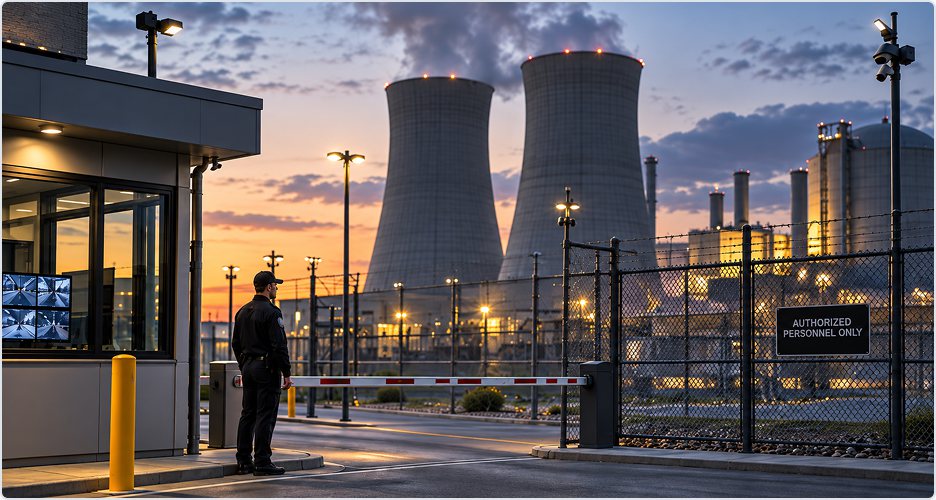
Nuclear Power & DOE Sites

Nuclear Power & DOE Sites

Material protection, control and accounting.
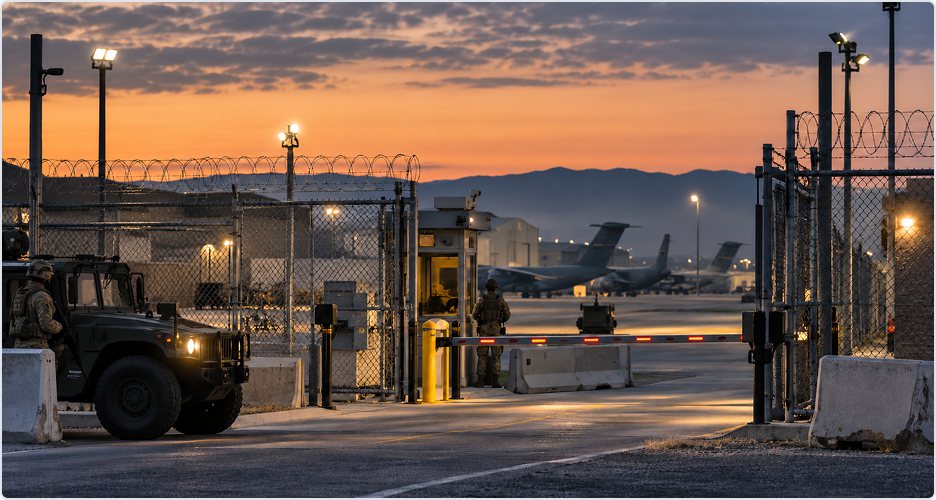
Defense Installations

Defense Installations

PL1 through PL4, weapons storage and flight lines.

Specifying PSG?

Product pages carry the CSI section, data sheet and A&E resources for each product. Register for the A&E program for direct support from PSG systems engineers.

Register for the A&E program

Zero Trust at the far edge, starting now.

Tell us how many doors and inputs you run and what is installed. Visit with a PSG systems engineer about which panel and controllers fit the wiring you have.