
Video Management
Scene Authentication™
Encrypted light pulses fingerprint the live scene, proving video is authentic and live.
Scene Authentication is PSG’s patented method of authenticating video from the scene itself. An Emitter injects PKI encrypted light pulses into the camera’s field of view, and the receiver verifies that footage is authentic, live and location specific, defeating spoofing.
- Category
- Video Management
- Configurations
- Emitter; up to 4 per scene
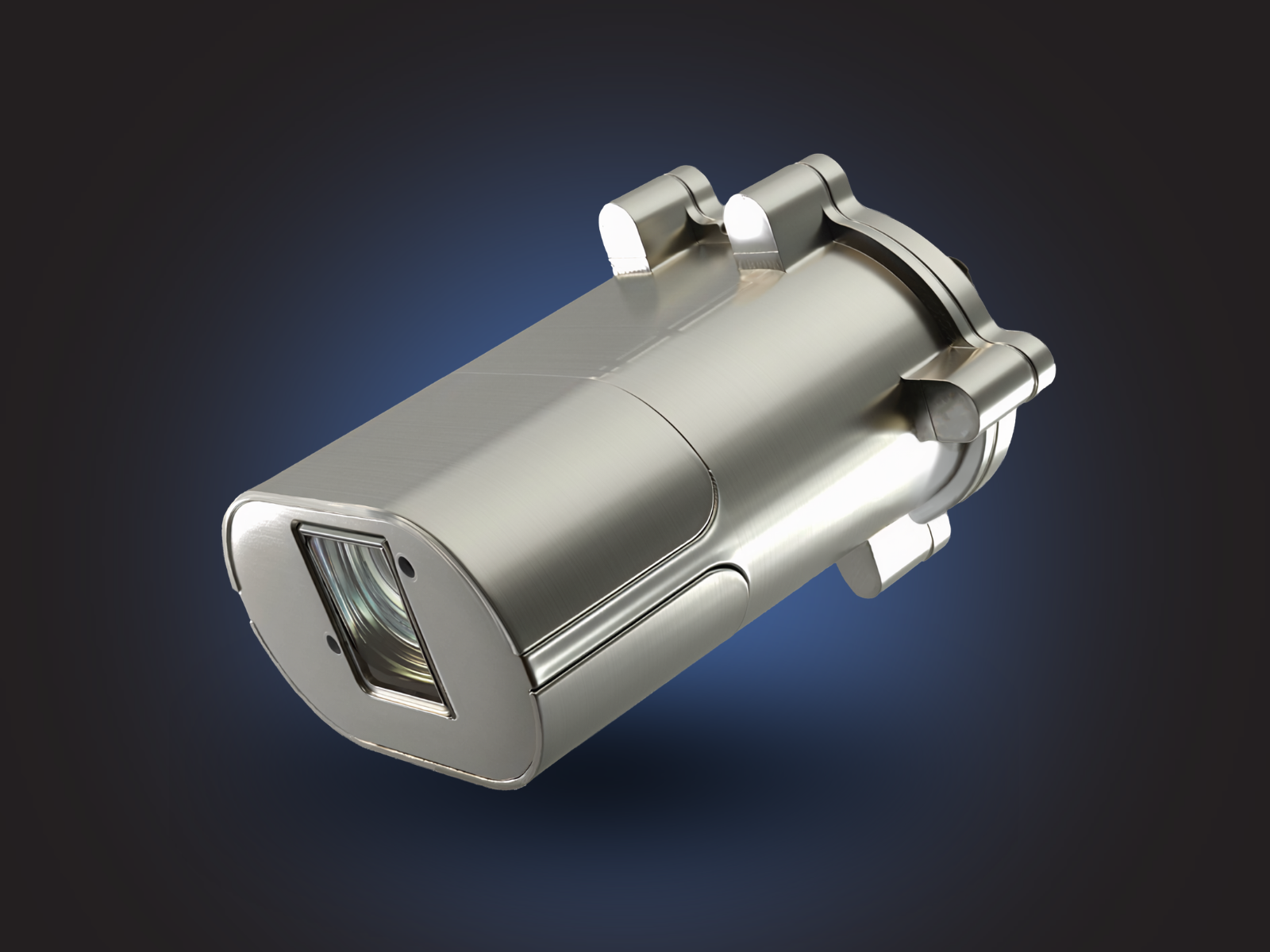
The Emitter is the product
The Scene Emitter is the hardware. It places an encrypted, coded light signal in the camera’s scene carrying geo-coordinates, position and time. Scene Authentication is what happens next: the receiver decodes the signal, verifies it against the camera and location, and alarms if the pattern breaks.
Two ways to deploy it
With VICADS®, Scene Authentication is part of the video management system: keep existing cameras, install an Emitter in the scene, and VICADS does the pairing. Or load the software directly on the camera, as already done on Axis for DoD and DOE programs, and the camera pairs with the Emitter.
Invisible to the insider
At the operator workstation the emitter pulses are filtered from view, so an insider does not know tamper protection is active or where the emitter sits. The system detects video loops, covering of the emitter and injected video, and distinguishes a real attack from an interruption.
- Scene Emitter: PKI encrypted light pulses fingerprint the live scene
- Deploy through VICADS, or load the software on the camera
- Detects video loops, covered emitters and injected video
- Emitter pulses masked from the operator view
- AES encryption, RSA signing, FIPS 140-2; open SDK and API
Specifications
Emitter and receiver characteristics from the Scene Authentication data sheet. Licensing is per camera through VICADS V100.
| Parameter | Scene Authentication |
|---|---|
| Scene Emitter | |
| Hardware | Scene Emitter, installed in the camera’s field of view |
| Deployment | Through VICADS with existing cameras, or software on the camera (Axis and others) |
| Signal | |
| Method | PKI encrypted light pulses placed in the video scene |
| Metadata | Emitter geo-coordinates, spatial location in scene, time |
| Encryption | AES encryption, RSA signed data |
| Emitters per scene | Up to 4 |
| Detection | |
| Attacks detected | Video loops, covered emitter, injected video, interruption |
| Alerting | Configurable; alarm on interrupted light pattern |
| Operator view | Emitter signal masked |
| Integration | |
| Receiver | Software within VICADS V100; SDK and API for third-party VMS |
| Cameras | Any camera; ONVIF integrated; Axis, Bosch, Honeywell compatible |
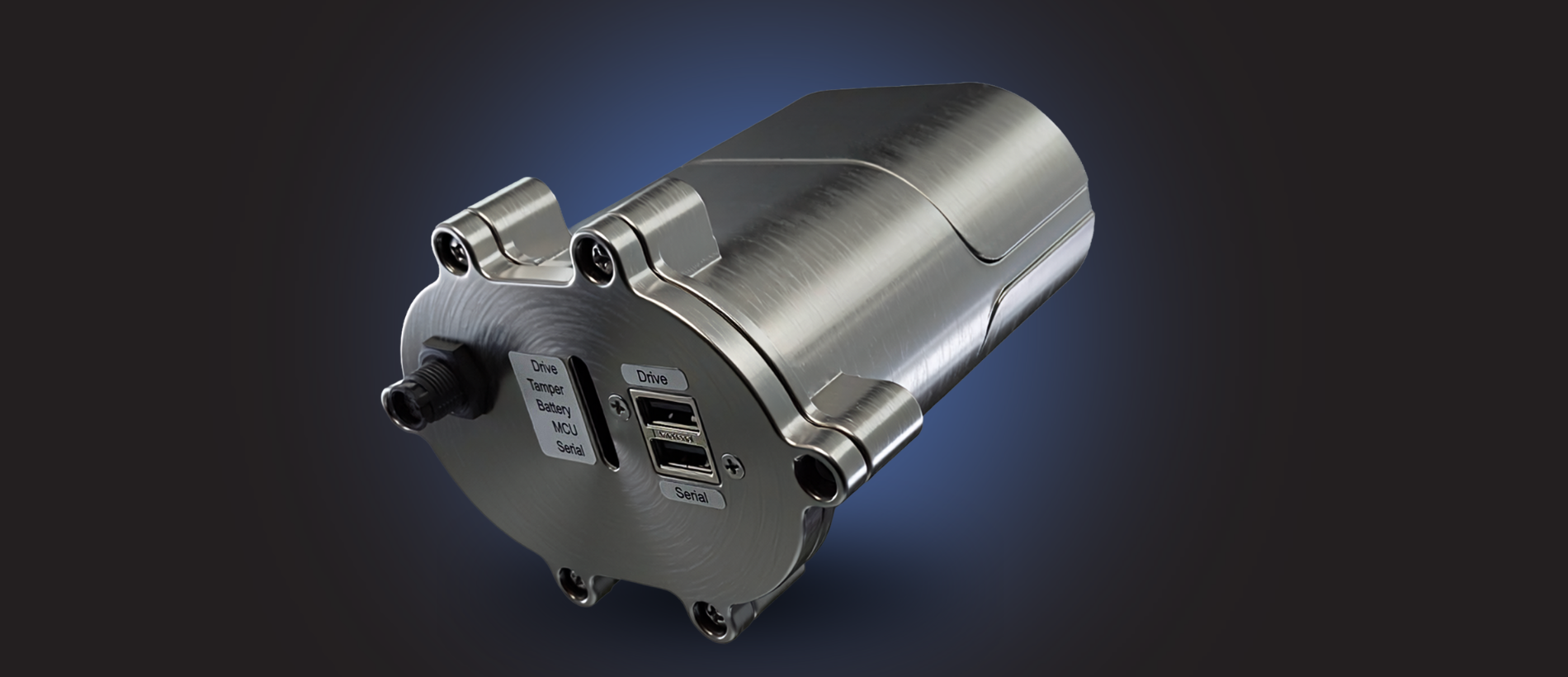
| Programming | Public key loaded via USB; one-to-many programming |
| Physical | |
| Housing | Tamper protected, industrially designed |
| Operating temperature | -40 to +70°C |
| Compliance | |
| Standards | FIPS 140-2; TAA and NDAA compliant |
| Patents | U.S. Patent 9,432,390-B2; application 2015/0188938-A1 |
Videos
Walkthroughs and demonstrations for this product.
-
Scene Authentication™ video
Downloads
Data sheet, brochure and specification documents for this product.
A&E resources · 2 available
Specification-ready files for this product. Download what you need without leaving the page.
Where it sits
Scene Authentication works in Acquisition and Control, at the camera and beyond its lens. It gives every video stream a verified identity before VICADS V100 passes it to operators.
- Enterprise Consumers Purdue 4 to 5
- IT and OT Operations Purdue 2 to 3
- Acquisition and ControlScene Authentication™ Purdue 1
- OT Edge Purdue 0
Related products
-

VICADS® V100
Zero Trust video management with Scene Authentication™ built in, for analog and IP cameras.
View product: VICADS® V100 -
VICADS® 4.3.X
The established VICADS release, for programs standardized on the current platform.
View product: VICADS® 4.3.X -
DESI Controller
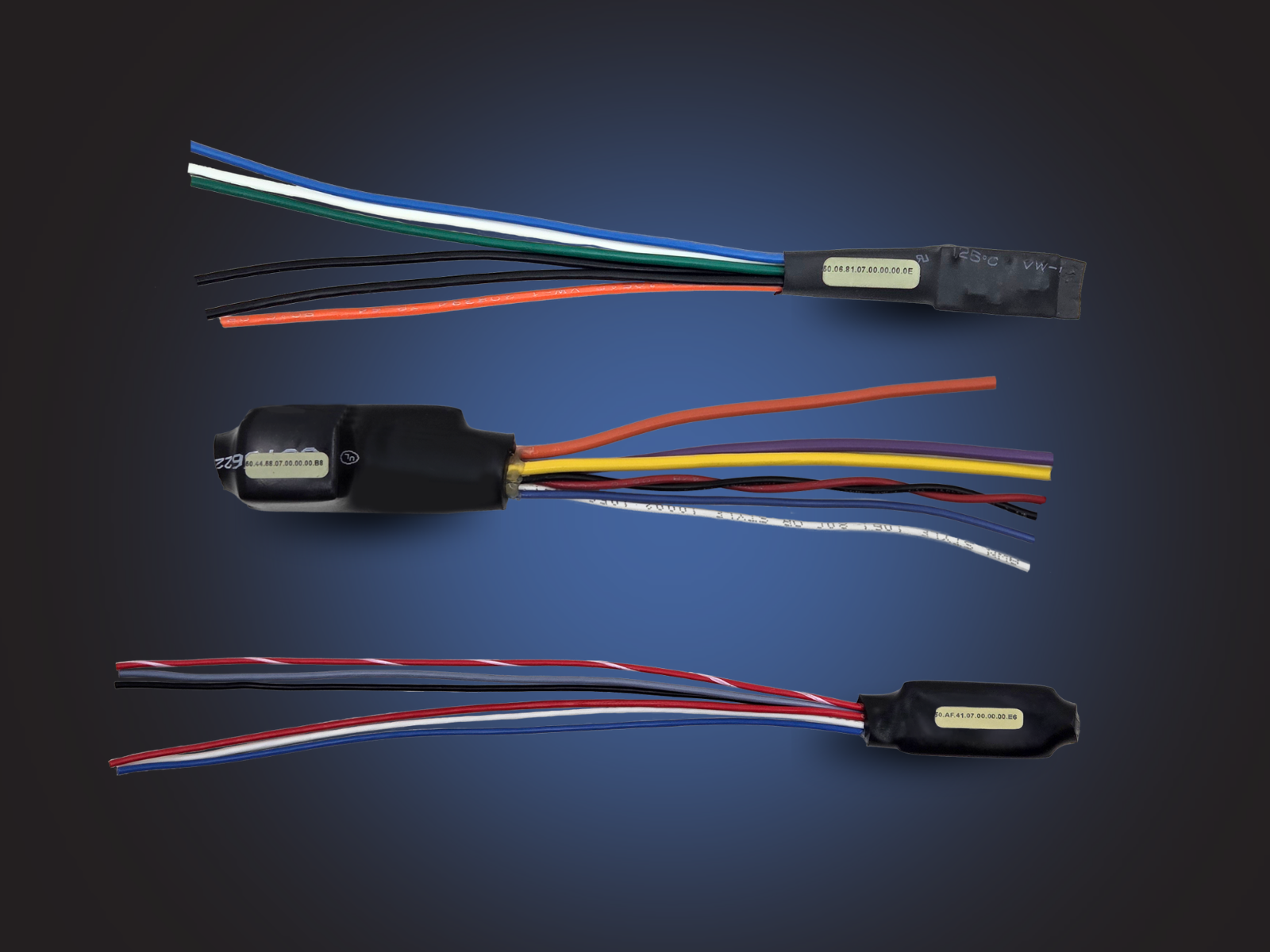
Replaces the end-of-line resistor and gives every analog sensor a cryptographic identity.
View product: DESI Controller
Questions about the Scene Authentication™?
Tell us what you are protecting and what is installed. Visit with a PSG systems engineer about configuration options and how it connects to your existing systems.